Militant Group Alliances and Relationships (MGAR)
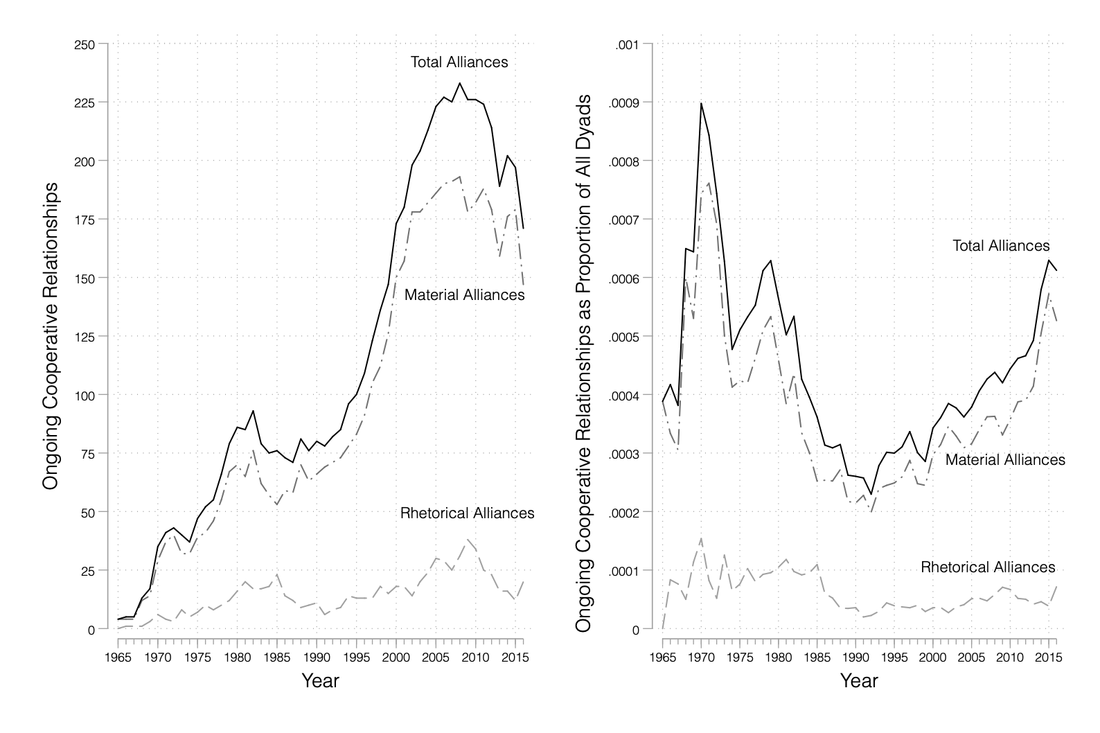
The MGAR dataset — a collaborative effort with Erica Chenoweth, Michael C. Horowitz, Evan Perkoski, and Philip B.K. Potter — offers an original coding of cooperative and conflictual relationships between militant groups. MGAR records the type and content of relationships among 2,613 militant groups from 1950 to 2016, documenting 7,409 dyad-years in which a relationship existed between groups — significantly expanding the set of relationships identified in prior work. MGAR also captures when each relationship began and ended, and what it entailed.
We categorize the nature of each relationship along a spectrum from cooperation to conflict: allies (the strongest form of cooperation), associates, supporters, fans (verbal but not material support), hosts (primarily states), rivals, and competitors (the strongest form of conflict). For each cooperative dyad-year we further code whether the relationship involved operational (e.g., shared membership, joint operations, tactical advising), material (i.e., arms transfers), territorial (e.g., shared bases), training, or financial (i.e., cash transfers) support.
Explore & download
Explore: MGAR database (National Security Policy Center)
Data: Replication files (IO 2022) · Replication files (JOP 2022) · Replication files (JOGSS 2023)
Key references
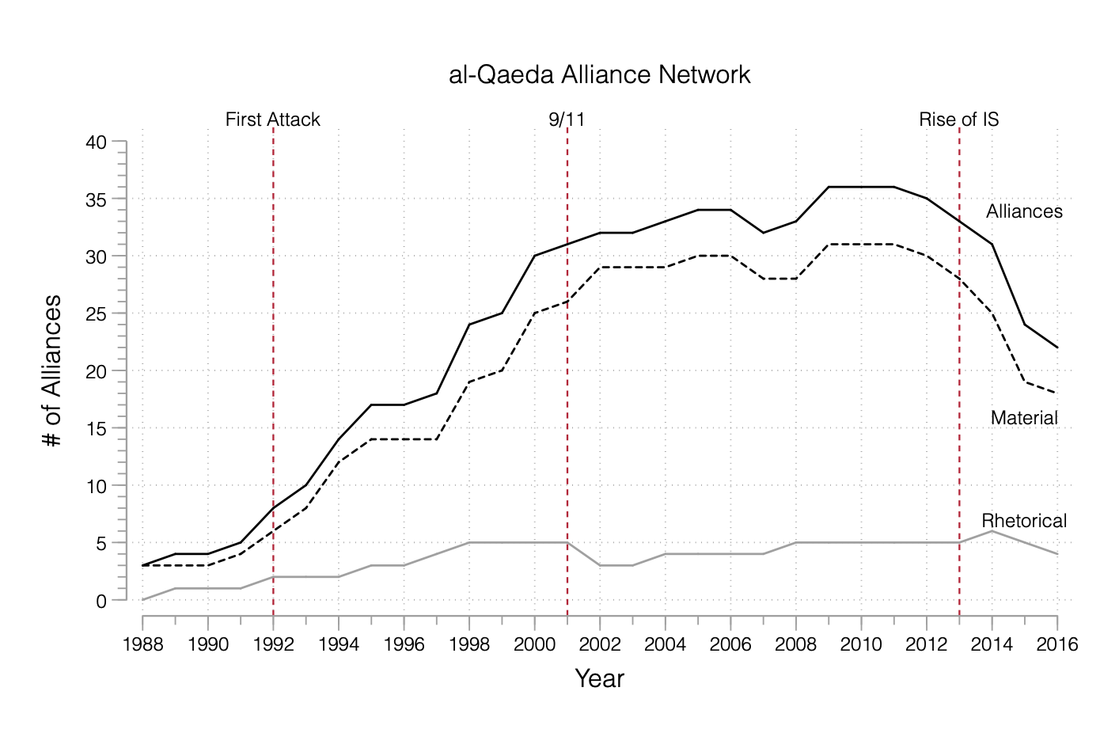
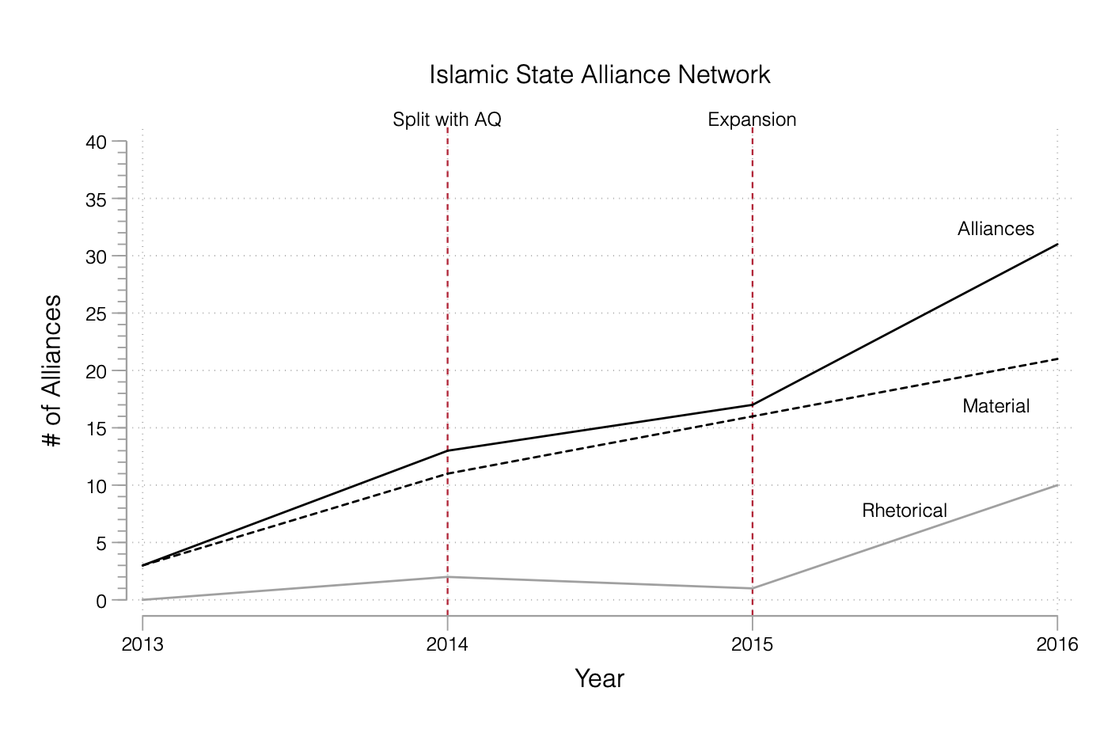
- Blair, Christopher W., and Philip B.K. Potter. 2023. “The Strategic Logic of Large Militant Alliance Networks.” Journal of Global Security Studies 8(1): 1–22.
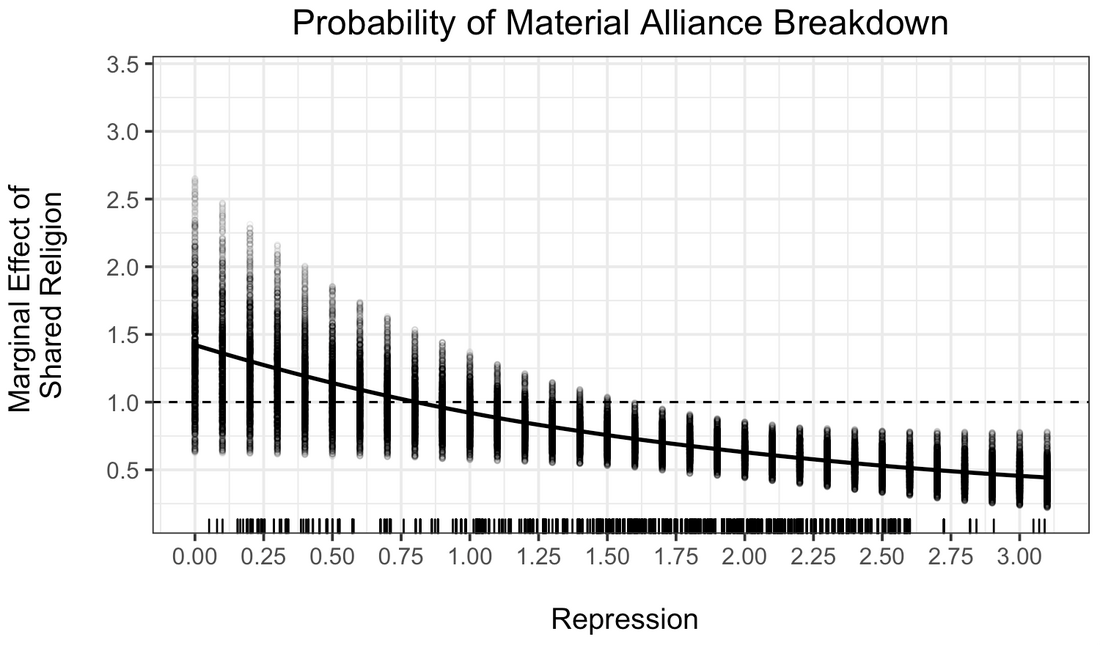
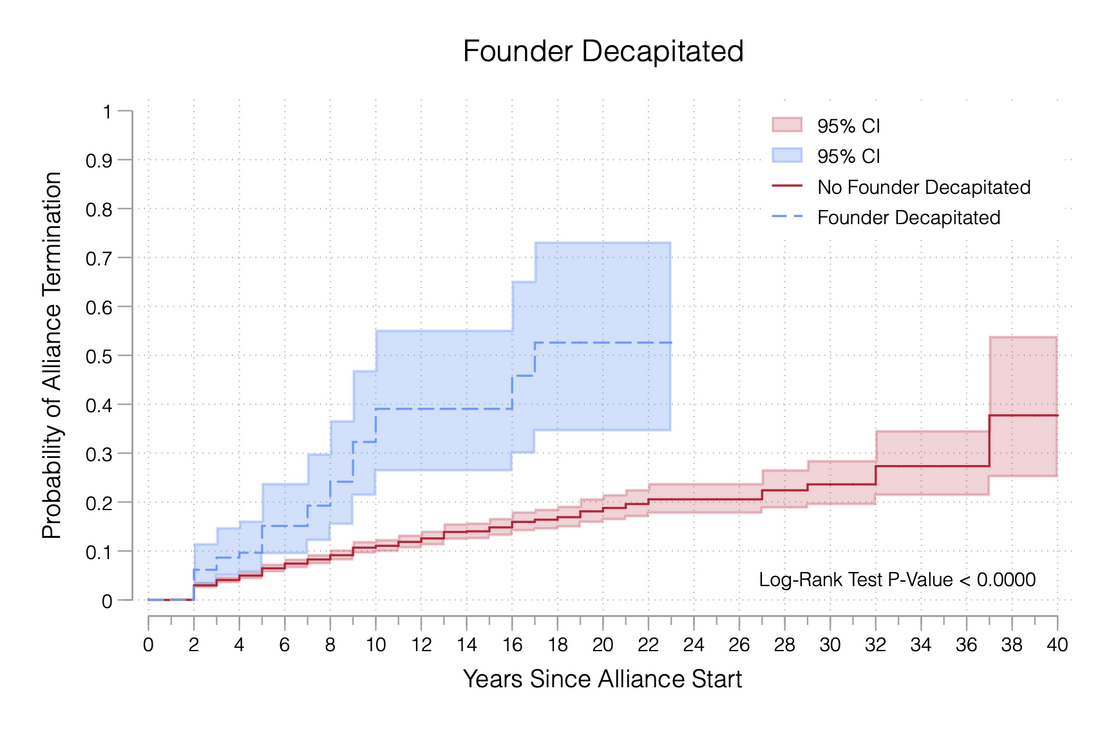
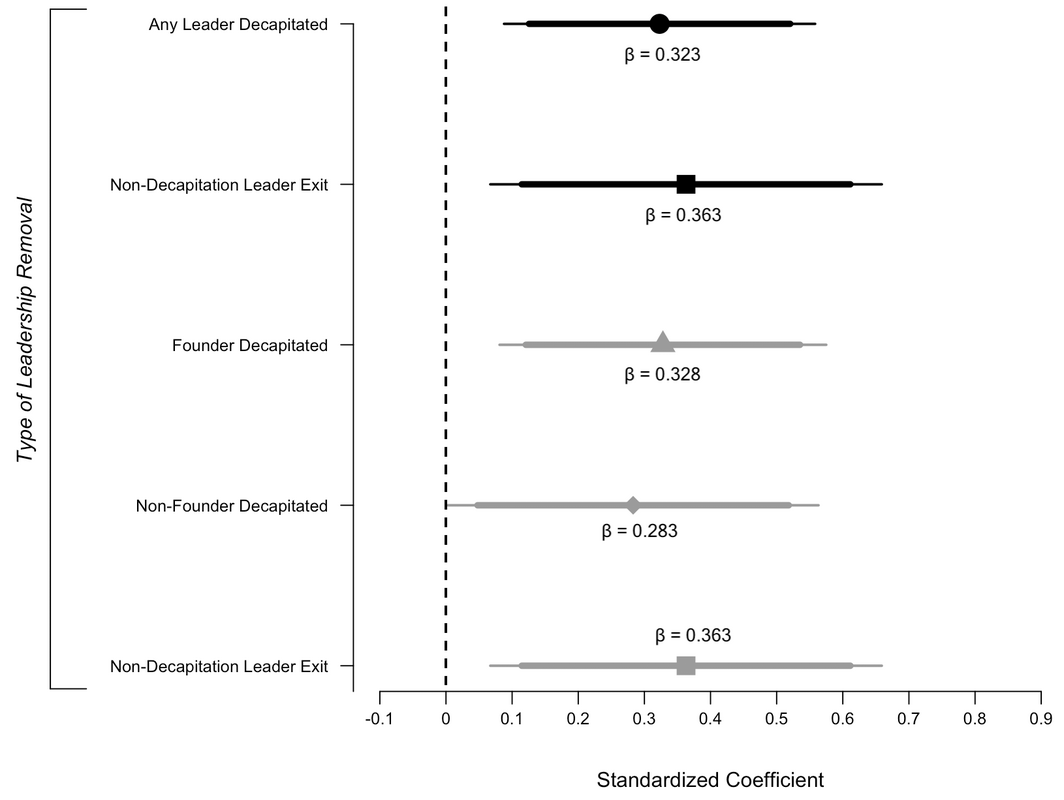
- Blair, Christopher W., Michael C. Horowitz, and Philip B.K. Potter. 2022. “Leadership Targeting and Militant Alliance Breakdown.” The Journal of Politics 84(2): 923–943.
- Blair, Christopher W., Erica Chenoweth, Michael C. Horowitz, Evan Perkoski, and Philip B.K. Potter. 2022. “Honor Among Thieves: Understanding Rhetorical and Material Cooperation Among Violent Non-State Actors.” International Organization 76(1): 164–203.